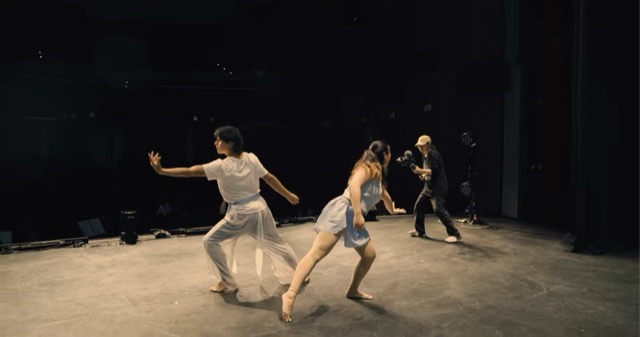
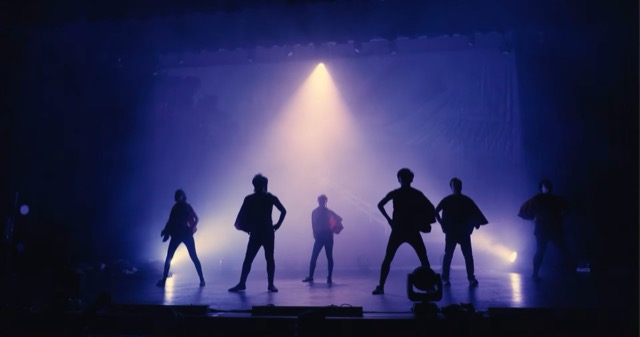
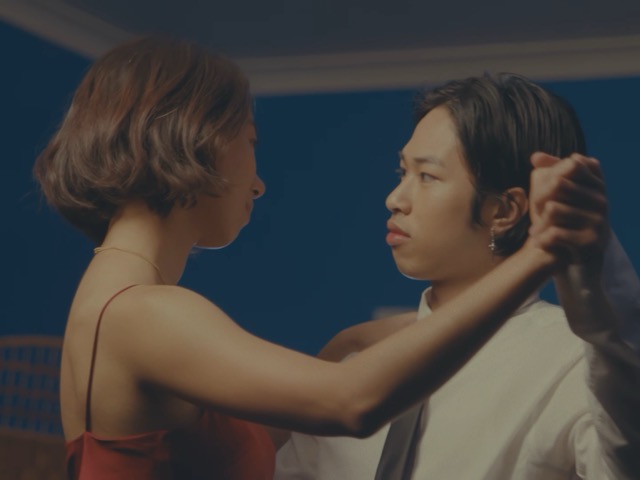
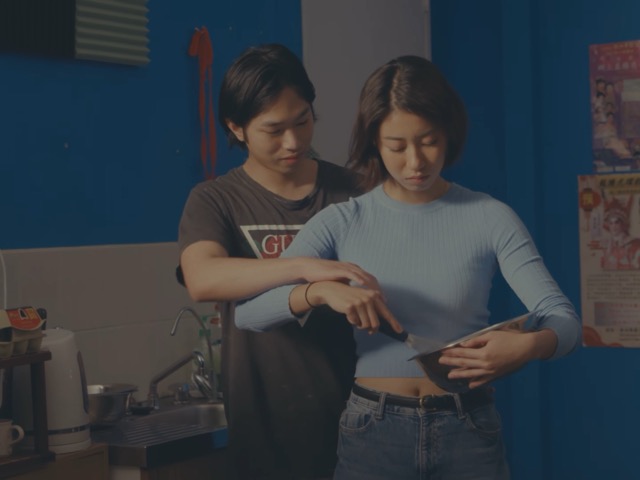
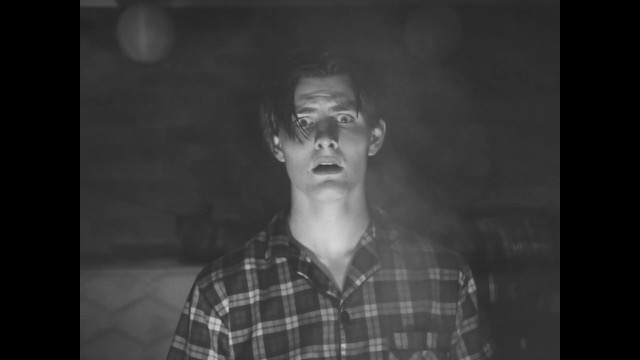
COLOR 16019
COLOR 16020
COLOR 16021
COLOR 16022
COLOR 16023
COLOR 16024
COLOR 16025
COLOR 16026
COLOR 16027
COLOR 16028
COLOR 16029
COLOR 16030
COLOR 16031
COLOR 16032
COLOR 16033
COLOR 16034
COLOR 16035
COLOR 16036
COLOR 16037
COLOR 16038
COLOR 16039
COLOR 16040
COLOR 16041
COLOR 16042
COLOR 16043
COLOR 16044
COLOR 16045
COLOR 16046
COLOR 16047
COLOR 16048
COLOR 16049
COLOR 16050
COLOR 16051
COLOR 16052
COLOR 16053
COLOR 16054
COLOR 16055
COLOR 16056
COLOR 16057
COLOR 16058
18A →19
19A →20
20A →21
21A →22
22A →23
23A →24
24A →25
25A →26
26A →27
27A →28
28A →29
29A →30
30A →31
31A →32
32A →33
33A →34
34A →35
35A →36
36A →37
37A →38
38A →39
39A →40
40A →41
41A →42
42A →43
43A →44
44A →45
45A →46
46A →47
47A →48
48A →49
49A →50
50A →51
51A →52
52A →53
53A →54
54A →55
55A →56
56A →57
57A →58
Narrative Theory-Driven LLM Methods for Automatic Story Generation and Understanding: A SurveyD.Y. Liu, A. Joshi, P. DawsonPreprint · 2026 · Narrative Theory & LLMsAccepted for publication in Artificial Intelligence Review (Springer)A survey investigating how narrative theories are applied through large language models in story generation and comprehension tasks. Categorizes NLP research using narratological distinctions and finds that narrative sources extend beyond traditional literature, theoretical synthesis and validation are achievable outcomes, and generation work lags in theoretical application and exploration of non-fiction narratives.MPhil Student · UNSW NLPI'm an MPhil student at the University of New South Wales (UNSW), researching the intersection of narrative theory, natural language processing, and large language models. I'm part of the UNSW NLP research group.My work applies narratological frameworks to the design and evaluation of story-generation systems, and explores reinforcement learning methods for producing more coherent, theory-informed narratives. I also collaborate on research applying VR and generative AI to filmmaking education.The Storytelling Machine: LLMs as Computational Models of NarrativeMPhil thesis · UNSW NLPI study LLMs as computational models of narrative, drawing on narrative theory to develop methods for story generation, understanding, and interpretability.SupervisorsDr Aditya Joshi (primary)Prof Paul DawsonDr Sebastian Sequoiah-GraysonRetell, Reward, Repeat: Reinforcement Learning for Narrative Theory-Informed Story RetellingD.Y. Liu, X. Muston, D. Srirag, A. Joshi, S. Sequoiah-GraysonConference · 2026 · Narrative Theory & LLMsProceedings of INLG 2026Introduces RRR, a reinforcement learning approach combining narratology with scalar narrativity to teach story structure to LLMs. Using the TimeTravel dataset extended with human-annotated narrative stages, the method employs d-RLAIF to create training signals without reference outputs, outperforming few-shot and SFT baselines in logic, rationality, and completeness.NarraNeurons: Narrativity-Sensitive Neurons in Open-Weight LLMsIn progress · open-weight LLMsIdentifying narrativity-sensitive neurons in open-weight LLMs via ablation studies, showing they play a distinct, measurable role in narrative representation and generation.ResearchI'm obsessed with how language and narrative shape the way we think, perceive, and understand ourselves and others. I am also a filmmaker, which feeds my interest in storytelling and collaborative work. My research studies LLMs as computational models of narrative, drawing on narrative theory, and I am keen to explore connections with cognitive science. My current work is driven by the underlying question of how LLMs model storytelling. I am open to research directions and collaborations in these areas.Narrative Theory-Driven LLM Methods for Automatic Story Generation and Understanding: A SurveyD.Y. Liu, A. Joshi, P. DawsonPreprint · 2026 · Narrative Theory & LLMsAccepted for publication in Artificial Intelligence Review (Springer)A survey investigating how narrative theories are applied through large language models in story generation and comprehension tasks. Categorizes NLP research using narratological distinctions and finds that narrative sources extend beyond traditional literature, theoretical synthesis and validation are achievable outcomes, and generation work lags in theoretical application and exploration of non-fiction narratives.MPhil Student · UNSW NLPI'm an MPhil student at the University of New South Wales (UNSW), researching the intersection of narrative theory, natural language processing, and large language models. I'm part of the UNSW NLP research group.My work applies narratological frameworks to the design and evaluation of story-generation systems, and explores reinforcement learning methods for producing more coherent, theory-informed narratives. I also collaborate on research applying VR and generative AI to filmmaking education.The Storytelling Machine: LLMs as Computational Models of NarrativeMPhil thesis · UNSW NLPI study LLMs as computational models of narrative, drawing on narrative theory to develop methods for story generation, understanding, and interpretability.SupervisorsDr Aditya Joshi (primary)Prof Paul DawsonDr Sebastian Sequoiah-GraysonRetell, Reward, Repeat: Reinforcement Learning for Narrative Theory-Informed Story RetellingD.Y. Liu, X. Muston, D. Srirag, A. Joshi, S. Sequoiah-GraysonConference · 2026 · Narrative Theory & LLMsProceedings of INLG 2026Introduces RRR, a reinforcement learning approach combining narratology with scalar narrativity to teach story structure to LLMs. Using the TimeTravel dataset extended with human-annotated narrative stages, the method employs d-RLAIF to create training signals without reference outputs, outperforming few-shot and SFT baselines in logic, rationality, and completeness.NarraNeurons: Narrativity-Sensitive Neurons in Open-Weight LLMsIn progress · open-weight LLMsIdentifying narrativity-sensitive neurons in open-weight LLMs via ablation studies, showing they play a distinct, measurable role in narrative representation and generation.ResearchI'm obsessed with how language and narrative shape the way we think, perceive, and understand ourselves and others. I am also a filmmaker, which feeds my interest in storytelling and collaborative work. My research studies LLMs as computational models of narrative, drawing on narrative theory, and I am keen to explore connections with cognitive science. My current work is driven by the underlying question of how LLMs model storytelling. I am open to research directions and collaborations in these areas.Narrative Theory-Driven LLM Methods for Automatic Story Generation and Understanding: A SurveyD.Y. Liu, A. Joshi, P. DawsonPreprint · 2026 · Narrative Theory & LLMsAccepted for publication in Artificial Intelligence Review (Springer)A survey investigating how narrative theories are applied through large language models in story generation and comprehension tasks. Categorizes NLP research using narratological distinctions and finds that narrative sources extend beyond traditional literature, theoretical synthesis and validation are achievable outcomes, and generation work lags in theoretical application and exploration of non-fiction narratives.MPhil Student · UNSW NLPI'm an MPhil student at the University of New South Wales (UNSW), researching the intersection of narrative theory, natural language processing, and large language models. I'm part of the UNSW NLP research group.My work applies narratological frameworks to the design and evaluation of story-generation systems, and explores reinforcement learning methods for producing more coherent, theory-informed narratives. I also collaborate on research applying VR and generative AI to filmmaking education.The Storytelling Machine: LLMs as Computational Models of NarrativeMPhil thesis · UNSW NLPI study LLMs as computational models of narrative, drawing on narrative theory to develop methods for story generation, understanding, and interpretability.SupervisorsDr Aditya Joshi (primary)Prof Paul DawsonDr Sebastian Sequoiah-GraysonRetell, Reward, Repeat: Reinforcement Learning for Narrative Theory-Informed Story RetellingD.Y. Liu, X. Muston, D. Srirag, A. Joshi, S. Sequoiah-GraysonConference · 2026 · Narrative Theory & LLMsProceedings of INLG 2026Introduces RRR, a reinforcement learning approach combining narratology with scalar narrativity to teach story structure to LLMs. Using the TimeTravel dataset extended with human-annotated narrative stages, the method employs d-RLAIF to create training signals without reference outputs, outperforming few-shot and SFT baselines in logic, rationality, and completeness.NarraNeurons: Narrativity-Sensitive Neurons in Open-Weight LLMsIn progress · open-weight LLMsIdentifying narrativity-sensitive neurons in open-weight LLMs via ablation studies, showing they play a distinct, measurable role in narrative representation and generation.ResearchI'm obsessed with how language and narrative shape the way we think, perceive, and understand ourselves and others. I am also a filmmaker, which feeds my interest in storytelling and collaborative work. My research studies LLMs as computational models of narrative, drawing on narrative theory, and I am keen to explore connections with cognitive science. My current work is driven by the underlying question of how LLMs model storytelling. I am open to research directions and collaborations in these areas. Narrative Theory-Driven LLM Methods for Automatic Story Generation and Understanding: A SurveyD.Y. Liu, A. Joshi, P. DawsonPreprint · 2026 · Narrative Theory & LLMsAccepted for publication in Artificial Intelligence Review (Springer)A survey investigating how narrative theories are applied through large language models in story generation and comprehension tasks. Categorizes NLP research using narratological distinctions and finds that narrative sources extend beyond traditional literature, theoretical synthesis and validation are achievable outcomes, and generation work lags in theoretical application and exploration of non-fiction narratives.MPhil Student · UNSW NLPI'm an MPhil student at the University of New South Wales (UNSW), researching the intersection of narrative theory, natural language processing, and large language models. I'm part of the UNSW NLP research group.My work applies narratological frameworks to the design and evaluation of story-generation systems, and explores reinforcement learning methods for producing more coherent, theory-informed narratives. I also collaborate on research applying VR and generative AI to filmmaking education.The Storytelling Machine: LLMs as Computational Models of NarrativeMPhil thesis · UNSW NLPI study LLMs as computational models of narrative, drawing on narrative theory to develop methods for story generation, understanding, and interpretability.SupervisorsDr Aditya Joshi (primary)Prof Paul DawsonDr Sebastian Sequoiah-GraysonRetell, Reward, Repeat: Reinforcement Learning for Narrative Theory-Informed Story RetellingD.Y. Liu, X. Muston, D. Srirag, A. Joshi, S. Sequoiah-GraysonConference · 2026 · Narrative Theory & LLMsProceedings of INLG 2026Introduces RRR, a reinforcement learning approach combining narratology with scalar narrativity to teach story structure to LLMs. Using the TimeTravel dataset extended with human-annotated narrative stages, the method employs d-RLAIF to create training signals without reference outputs, outperforming few-shot and SFT baselines in logic, rationality, and completeness.NarraNeurons: Narrativity-Sensitive Neurons in Open-Weight LLMsIn progress · open-weight LLMsIdentifying narrativity-sensitive neurons in open-weight LLMs via ablation studies, showing they play a distinct, measurable role in narrative representation and generation.ResearchI'm obsessed with how language and narrative shape the way we think, perceive, and understand ourselves and others. I am also a filmmaker, which feeds my interest in storytelling and collaborative work. My research studies LLMs as computational models of narrative, drawing on narrative theory, and I am keen to explore connections with cognitive science. My current work is driven by the underlying question of how LLMs model storytelling. I am open to research directions and collaborations in these areas.Narrative Theory-Driven LLM Methods for Automatic Story Generation and Understanding: A SurveyD.Y. Liu, A. Joshi, P. DawsonPreprint · 2026 · Narrative Theory & LLMsAccepted for publication in Artificial Intelligence Review (Springer)A survey investigating how narrative theories are applied through large language models in story generation and comprehension tasks. Categorizes NLP research using narratological distinctions and finds that narrative sources extend beyond traditional literature, theoretical synthesis and validation are achievable outcomes, and generation work lags in theoretical application and exploration of non-fiction narratives.MPhil Student · UNSW NLPI'm an MPhil student at the University of New South Wales (UNSW), researching the intersection of narrative theory, natural language processing, and large language models. I'm part of the UNSW NLP research group.My work applies narratological frameworks to the design and evaluation of story-generation systems, and explores reinforcement learning methods for producing more coherent, theory-informed narratives. I also collaborate on research applying VR and generative AI to filmmaking education.The Storytelling Machine: LLMs as Computational Models of NarrativeMPhil thesis · UNSW NLPI study LLMs as computational models of narrative, drawing on narrative theory to develop methods for story generation, understanding, and interpretability.SupervisorsDr Aditya Joshi (primary)Prof Paul DawsonDr Sebastian Sequoiah-GraysonRetell, Reward, Repeat: Reinforcement Learning for Narrative Theory-Informed Story RetellingD.Y. Liu, X. Muston, D. Srirag, A. Joshi, S. Sequoiah-GraysonConference · 2026 · Narrative Theory & LLMsProceedings of INLG 2026Introduces RRR, a reinforcement learning approach combining narratology with scalar narrativity to teach story structure to LLMs. Using the TimeTravel dataset extended with human-annotated narrative stages, the method employs d-RLAIF to create training signals without reference outputs, outperforming few-shot and SFT baselines in logic, rationality, and completeness.NarraNeurons: Narrativity-Sensitive Neurons in Open-Weight LLMsIn progress · open-weight LLMsIdentifying narrativity-sensitive neurons in open-weight LLMs via ablation studies, showing they play a distinct, measurable role in narrative representation and generation.ResearchI'm obsessed with how language and narrative shape the way we think, perceive, and understand ourselves and others. I am also a filmmaker, which feeds my interest in storytelling and collaborative work. My research studies LLMs as computational models of narrative, drawing on narrative theory, and I am keen to explore connections with cognitive science. My current work is driven by the underlying question of how LLMs model storytelling. I am open to research directions and collaborations in these areas.Narrative Theory-Driven LLM Methods for Automatic Story Generation and Understanding: A SurveyD.Y. Liu, A. Joshi, P. DawsonPreprint · 2026 · Narrative Theory & LLMsAccepted for publication in Artificial Intelligence Review (Springer)A survey investigating how narrative theories are applied through large language models in story generation and comprehension tasks. Categorizes NLP research using narratological distinctions and finds that narrative sources extend beyond traditional literature, theoretical synthesis and validation are achievable outcomes, and generation work lags in theoretical application and exploration of non-fiction narratives.MPhil Student · UNSW NLPI'm an MPhil student at the University of New South Wales (UNSW), researching the intersection of narrative theory, natural language processing, and large language models. I'm part of the UNSW NLP research group.My work applies narratological frameworks to the design and evaluation of story-generation systems, and explores reinforcement learning methods for producing more coherent, theory-informed narratives. I also collaborate on research applying VR and generative AI to filmmaking education.The Storytelling Machine: LLMs as Computational Models of NarrativeMPhil thesis · UNSW NLPI study LLMs as computational models of narrative, drawing on narrative theory to develop methods for story generation, understanding, and interpretability.SupervisorsDr Aditya Joshi (primary)Prof Paul DawsonDr Sebastian Sequoiah-GraysonRetell, Reward, Repeat: Reinforcement Learning for Narrative Theory-Informed Story RetellingD.Y. Liu, X. Muston, D. Srirag, A. Joshi, S. Sequoiah-GraysonConference · 2026 · Narrative Theory & LLMsProceedings of INLG 2026Introduces RRR, a reinforcement learning approach combining narratology with scalar narrativity to teach story structure to LLMs. Using the TimeTravel dataset extended with human-annotated narrative stages, the method employs d-RLAIF to create training signals without reference outputs, outperforming few-shot and SFT baselines in logic, rationality, and completeness.NarraNeurons: Narrativity-Sensitive Neurons in Open-Weight LLMsIn progress · open-weight LLMsIdentifying narrativity-sensitive neurons in open-weight LLMs via ablation studies, showing they play a distinct, measurable role in narrative representation and generation.ResearchI'm obsessed with how language and narrative shape the way we think, perceive, and understand ourselves and others. I am also a filmmaker, which feeds my interest in storytelling and collaborative work. My research studies LLMs as computational models of narrative, drawing on narrative theory, and I am keen to explore connections with cognitive science. My current work is driven by the underlying question of how LLMs model storytelling. I am open to research directions and collaborations in these areas. Unreliable Narrator Framing as a Cost-effective Mechanism for Satire Explanation of Australian and American Satirical NewsK. Gupta, D.Y. Liu, A. JoshiPreprint · 2026 · Narrative Theory & LLMsarXiv preprint arXiv:2610.12863Satirical news is a unique form of misinformation: it is intended to be humorous by the original publication source but can be misinterpreted. Explanation of satirical news articles is challenging because recent and local context needs to be incorporated. This pilot study explores explanation generation for satirical news articles from Australia and compares them alongside those from the USA. The paper demonstrates that framing explanations on unreliable narrator theory in open-weight models can be a feasible, cost-effective alternative to frontier models. Models identify satirical tropes more accurately on the American source than the Australian one. The work results in a novel dataset and an evaluation benchmark for satirical explanation.Language Models Have Interpretable Narrative MechanismsD.Y. Liu, A. Joshi, P. Dawson, A. PiperPreprint · 2026 · Narrative Theory & LLMsarXiv preprint arXiv:2610.12989We investigate whether language models contain internal components that contribute to representing narrativity, the degree to which a text exhibits narrative properties. Across GPT-2 Small, Gemma-2-2B, and Llama-3.1-8B, we identify attention heads, MLP neurons, and sparse autoencoder features whose activations correlate with narrativity. Ablating selected neuron and feature sets increases next-token prediction loss more for high-narrativity than for low-narrativity texts, and reduces the narrativity of open-ended generations. On downstream benchmarks, the largest effects occur in story completion and narrative question answering, while results on confabulation and hallucination benchmarks are mixed. These findings provide causal evidence that selected sets of narrative-associated components contribute to model behaviour, while their internal organisation and relation to narrative theory remain open questions.Scholarships & recognitionAwards supporting the MPhil at University of New South Wales (UNSW), in the UNSW NLP group.Research Training Program (RTP) Scholarship — UNSW, 2025–2027Domestic Research Training Grant (DRTG) — UNSW, 2026STEMM Champion — UNSW STEMM Champions Program, 2026Taste of Research Scholarship — UNSW, 2024AppointmentsTeaching and part-time engineering work alongside the MPhil.Casual Academic · UNSW · 2025–PresentI tutor across Computer Science and Engineering, and Arts and Media.Data Structures and AlgorithmsScreen Production IIFull Stack Software Engineer · Arludo · 2023–PresentI develop and maintain features for a digital education portal using React and AWS, part-time.Unreliable Narrator Framing as a Cost-effective Mechanism for Satire Explanation of Australian and American Satirical NewsK. Gupta, D.Y. Liu, A. JoshiPreprint · 2026 · Narrative Theory & LLMsarXiv preprint arXiv:2610.12863Satirical news is a unique form of misinformation: it is intended to be humorous by the original publication source but can be misinterpreted. Explanation of satirical news articles is challenging because recent and local context needs to be incorporated. This pilot study explores explanation generation for satirical news articles from Australia and compares them alongside those from the USA. The paper demonstrates that framing explanations on unreliable narrator theory in open-weight models can be a feasible, cost-effective alternative to frontier models. Models identify satirical tropes more accurately on the American source than the Australian one. The work results in a novel dataset and an evaluation benchmark for satirical explanation.Language Models Have Interpretable Narrative MechanismsD.Y. Liu, A. Joshi, P. Dawson, A. PiperPreprint · 2026 · Narrative Theory & LLMsarXiv preprint arXiv:2610.12989We investigate whether language models contain internal components that contribute to representing narrativity, the degree to which a text exhibits narrative properties. Across GPT-2 Small, Gemma-2-2B, and Llama-3.1-8B, we identify attention heads, MLP neurons, and sparse autoencoder features whose activations correlate with narrativity. Ablating selected neuron and feature sets increases next-token prediction loss more for high-narrativity than for low-narrativity texts, and reduces the narrativity of open-ended generations. On downstream benchmarks, the largest effects occur in story completion and narrative question answering, while results on confabulation and hallucination benchmarks are mixed. These findings provide causal evidence that selected sets of narrative-associated components contribute to model behaviour, while their internal organisation and relation to narrative theory remain open questions.Scholarships & recognitionAwards supporting the MPhil at University of New South Wales (UNSW), in the UNSW NLP group.Research Training Program (RTP) Scholarship — UNSW, 2025–2027Domestic Research Training Grant (DRTG) — UNSW, 2026STEMM Champion — UNSW STEMM Champions Program, 2026Taste of Research Scholarship — UNSW, 2024AppointmentsTeaching and part-time engineering work alongside the MPhil.Casual Academic · UNSW · 2025–PresentI tutor across Computer Science and Engineering, and Arts and Media.Data Structures and AlgorithmsScreen Production IIFull Stack Software Engineer · Arludo · 2023–PresentI develop and maintain features for a digital education portal using React and AWS, part-time.Unreliable Narrator Framing as a Cost-effective Mechanism for Satire Explanation of Australian and American Satirical NewsK. Gupta, D.Y. Liu, A. JoshiPreprint · 2026 · Narrative Theory & LLMsarXiv preprint arXiv:2610.12863Satirical news is a unique form of misinformation: it is intended to be humorous by the original publication source but can be misinterpreted. Explanation of satirical news articles is challenging because recent and local context needs to be incorporated. This pilot study explores explanation generation for satirical news articles from Australia and compares them alongside those from the USA. The paper demonstrates that framing explanations on unreliable narrator theory in open-weight models can be a feasible, cost-effective alternative to frontier models. Models identify satirical tropes more accurately on the American source than the Australian one. The work results in a novel dataset and an evaluation benchmark for satirical explanation.Language Models Have Interpretable Narrative MechanismsD.Y. Liu, A. Joshi, P. Dawson, A. PiperPreprint · 2026 · Narrative Theory & LLMsarXiv preprint arXiv:2610.12989We investigate whether language models contain internal components that contribute to representing narrativity, the degree to which a text exhibits narrative properties. Across GPT-2 Small, Gemma-2-2B, and Llama-3.1-8B, we identify attention heads, MLP neurons, and sparse autoencoder features whose activations correlate with narrativity. Ablating selected neuron and feature sets increases next-token prediction loss more for high-narrativity than for low-narrativity texts, and reduces the narrativity of open-ended generations. On downstream benchmarks, the largest effects occur in story completion and narrative question answering, while results on confabulation and hallucination benchmarks are mixed. These findings provide causal evidence that selected sets of narrative-associated components contribute to model behaviour, while their internal organisation and relation to narrative theory remain open questions.Scholarships & recognitionAwards supporting the MPhil at University of New South Wales (UNSW), in the UNSW NLP group.Research Training Program (RTP) Scholarship — UNSW, 2025–2027Domestic Research Training Grant (DRTG) — UNSW, 2026STEMM Champion — UNSW STEMM Champions Program, 2026Taste of Research Scholarship — UNSW, 2024AppointmentsTeaching and part-time engineering work alongside the MPhil.Casual Academic · UNSW · 2025–PresentI tutor across Computer Science and Engineering, and Arts and Media.Data Structures and AlgorithmsScreen Production IIFull Stack Software Engineer · Arludo · 2023–PresentI develop and maintain features for a digital education portal using React and AWS, part-time.Unreliable Narrator Framing as a Cost-effective Mechanism for Satire Explanation of Australian and American Satirical NewsK. Gupta, D.Y. Liu, A. JoshiPreprint · 2026 · Narrative Theory & LLMsarXiv preprint arXiv:2610.12863Satirical news is a unique form of misinformation: it is intended to be humorous by the original publication source but can be misinterpreted. Explanation of satirical news articles is challenging because recent and local context needs to be incorporated. This pilot study explores explanation generation for satirical news articles from Australia and compares them alongside those from the USA. The paper demonstrates that framing explanations on unreliable narrator theory in open-weight models can be a feasible, cost-effective alternative to frontier models. Models identify satirical tropes more accurately on the American source than the Australian one. The work results in a novel dataset and an evaluation benchmark for satirical explanation.Language Models Have Interpretable Narrative MechanismsD.Y. Liu, A. Joshi, P. Dawson, A. PiperPreprint · 2026 · Narrative Theory & LLMsarXiv preprint arXiv:2610.12989We investigate whether language models contain internal components that contribute to representing narrativity, the degree to which a text exhibits narrative properties. Across GPT-2 Small, Gemma-2-2B, and Llama-3.1-8B, we identify attention heads, MLP neurons, and sparse autoencoder features whose activations correlate with narrativity. Ablating selected neuron and feature sets increases next-token prediction loss more for high-narrativity than for low-narrativity texts, and reduces the narrativity of open-ended generations. On downstream benchmarks, the largest effects occur in story completion and narrative question answering, while results on confabulation and hallucination benchmarks are mixed. These findings provide causal evidence that selected sets of narrative-associated components contribute to model behaviour, while their internal organisation and relation to narrative theory remain open questions.Scholarships & recognitionAwards supporting the MPhil at University of New South Wales (UNSW), in the UNSW NLP group.Research Training Program (RTP) Scholarship — UNSW, 2025–2027Domestic Research Training Grant (DRTG) — UNSW, 2026STEMM Champion — UNSW STEMM Champions Program, 2026Taste of Research Scholarship — UNSW, 2024AppointmentsTeaching and part-time engineering work alongside the MPhil.Casual Academic · UNSW · 2025–PresentI tutor across Computer Science and Engineering, and Arts and Media.Data Structures and AlgorithmsScreen Production IIFull Stack Software Engineer · Arludo · 2023–PresentI develop and maintain features for a digital education portal using React and AWS, part-time.Unreliable Narrator Framing as a Cost-effective Mechanism for Satire Explanation of Australian and American Satirical NewsK. Gupta, D.Y. Liu, A. JoshiPreprint · 2026 · Narrative Theory & LLMsarXiv preprint arXiv:2610.12863Satirical news is a unique form of misinformation: it is intended to be humorous by the original publication source but can be misinterpreted. Explanation of satirical news articles is challenging because recent and local context needs to be incorporated. This pilot study explores explanation generation for satirical news articles from Australia and compares them alongside those from the USA. The paper demonstrates that framing explanations on unreliable narrator theory in open-weight models can be a feasible, cost-effective alternative to frontier models. Models identify satirical tropes more accurately on the American source than the Australian one. The work results in a novel dataset and an evaluation benchmark for satirical explanation.Language Models Have Interpretable Narrative MechanismsD.Y. Liu, A. Joshi, P. Dawson, A. PiperPreprint · 2026 · Narrative Theory & LLMsarXiv preprint arXiv:2610.12989We investigate whether language models contain internal components that contribute to representing narrativity, the degree to which a text exhibits narrative properties. Across GPT-2 Small, Gemma-2-2B, and Llama-3.1-8B, we identify attention heads, MLP neurons, and sparse autoencoder features whose activations correlate with narrativity. Ablating selected neuron and feature sets increases next-token prediction loss more for high-narrativity than for low-narrativity texts, and reduces the narrativity of open-ended generations. On downstream benchmarks, the largest effects occur in story completion and narrative question answering, while results on confabulation and hallucination benchmarks are mixed. These findings provide causal evidence that selected sets of narrative-associated components contribute to model behaviour, while their internal organisation and relation to narrative theory remain open questions.Scholarships & recognitionAwards supporting the MPhil at University of New South Wales (UNSW), in the UNSW NLP group.Research Training Program (RTP) Scholarship — UNSW, 2025–2027Domestic Research Training Grant (DRTG) — UNSW, 2026STEMM Champion — UNSW STEMM Champions Program, 2026Taste of Research Scholarship — UNSW, 2024AppointmentsTeaching and part-time engineering work alongside the MPhil.Casual Academic · UNSW · 2025–PresentI tutor across Computer Science and Engineering, and Arts and Media.Data Structures and AlgorithmsScreen Production IIFull Stack Software Engineer · Arludo · 2023–PresentI develop and maintain features for a digital education portal using React and AWS, part-time. Unreliable Narrator Framing as a Cost-effective Mechanism for Satire Explanation of Australian and American Satirical NewsK. Gupta, D.Y. Liu, A. JoshiPreprint · 2026 · Narrative Theory & LLMsarXiv preprint arXiv:2610.12863Satirical news is a unique form of misinformation: it is intended to be humorous by the original publication source but can be misinterpreted. Explanation of satirical news articles is challenging because recent and local context needs to be incorporated. This pilot study explores explanation generation for satirical news articles from Australia and compares them alongside those from the USA. The paper demonstrates that framing explanations on unreliable narrator theory in open-weight models can be a feasible, cost-effective alternative to frontier models. Models identify satirical tropes more accurately on the American source than the Australian one. The work results in a novel dataset and an evaluation benchmark for satirical explanation.Language Models Have Interpretable Narrative MechanismsD.Y. Liu, A. Joshi, P. Dawson, A. PiperPreprint · 2026 · Narrative Theory & LLMsarXiv preprint arXiv:2610.12989We investigate whether language models contain internal components that contribute to representing narrativity, the degree to which a text exhibits narrative properties. Across GPT-2 Small, Gemma-2-2B, and Llama-3.1-8B, we identify attention heads, MLP neurons, and sparse autoencoder features whose activations correlate with narrativity. Ablating selected neuron and feature sets increases next-token prediction loss more for high-narrativity than for low-narrativity texts, and reduces the narrativity of open-ended generations. On downstream benchmarks, the largest effects occur in story completion and narrative question answering, while results on confabulation and hallucination benchmarks are mixed. These findings provide causal evidence that selected sets of narrative-associated components contribute to model behaviour, while their internal organisation and relation to narrative theory remain open questions.Scholarships & recognitionAwards supporting the MPhil at University of New South Wales (UNSW), in the UNSW NLP group.Research Training Program (RTP) Scholarship — UNSW, 2025–2027Domestic Research Training Grant (DRTG) — UNSW, 2026STEMM Champion — UNSW STEMM Champions Program, 2026Taste of Research Scholarship — UNSW, 2024AppointmentsTeaching and part-time engineering work alongside the MPhil.Casual Academic · UNSW · 2025–PresentI tutor across Computer Science and Engineering, and Arts and Media.Data Structures and AlgorithmsScreen Production IIFull Stack Software Engineer · Arludo · 2023–PresentI develop and maintain features for a digital education portal using React and AWS, part-time.Unreliable Narrator Framing as a Cost-effective Mechanism for Satire Explanation of Australian and American Satirical NewsK. Gupta, D.Y. Liu, A. JoshiPreprint · 2026 · Narrative Theory & LLMsarXiv preprint arXiv:2610.12863Satirical news is a unique form of misinformation: it is intended to be humorous by the original publication source but can be misinterpreted. Explanation of satirical news articles is challenging because recent and local context needs to be incorporated. This pilot study explores explanation generation for satirical news articles from Australia and compares them alongside those from the USA. The paper demonstrates that framing explanations on unreliable narrator theory in open-weight models can be a feasible, cost-effective alternative to frontier models. Models identify satirical tropes more accurately on the American source than the Australian one. The work results in a novel dataset and an evaluation benchmark for satirical explanation.Language Models Have Interpretable Narrative MechanismsD.Y. Liu, A. Joshi, P. Dawson, A. PiperPreprint · 2026 · Narrative Theory & LLMsarXiv preprint arXiv:2610.12989We investigate whether language models contain internal components that contribute to representing narrativity, the degree to which a text exhibits narrative properties. Across GPT-2 Small, Gemma-2-2B, and Llama-3.1-8B, we identify attention heads, MLP neurons, and sparse autoencoder features whose activations correlate with narrativity. Ablating selected neuron and feature sets increases next-token prediction loss more for high-narrativity than for low-narrativity texts, and reduces the narrativity of open-ended generations. On downstream benchmarks, the largest effects occur in story completion and narrative question answering, while results on confabulation and hallucination benchmarks are mixed. These findings provide causal evidence that selected sets of narrative-associated components contribute to model behaviour, while their internal organisation and relation to narrative theory remain open questions.Scholarships & recognitionAwards supporting the MPhil at University of New South Wales (UNSW), in the UNSW NLP group.Research Training Program (RTP) Scholarship — UNSW, 2025–2027Domestic Research Training Grant (DRTG) — UNSW, 2026STEMM Champion — UNSW STEMM Champions Program, 2026Taste of Research Scholarship — UNSW, 2024AppointmentsTeaching and part-time engineering work alongside the MPhil.Casual Academic · UNSW · 2025–PresentI tutor across Computer Science and Engineering, and Arts and Media.Data Structures and AlgorithmsScreen Production IIFull Stack Software Engineer · Arludo · 2023–PresentI develop and maintain features for a digital education portal using React and AWS, part-time.Unreliable Narrator Framing as a Cost-effective Mechanism for Satire Explanation of Australian and American Satirical NewsK. Gupta, D.Y. Liu, A. JoshiPreprint · 2026 · Narrative Theory & LLMsarXiv preprint arXiv:2610.12863Satirical news is a unique form of misinformation: it is intended to be humorous by the original publication source but can be misinterpreted. Explanation of satirical news articles is challenging because recent and local context needs to be incorporated. This pilot study explores explanation generation for satirical news articles from Australia and compares them alongside those from the USA. The paper demonstrates that framing explanations on unreliable narrator theory in open-weight models can be a feasible, cost-effective alternative to frontier models. Models identify satirical tropes more accurately on the American source than the Australian one. The work results in a novel dataset and an evaluation benchmark for satirical explanation.Language Models Have Interpretable Narrative MechanismsD.Y. Liu, A. Joshi, P. Dawson, A. PiperPreprint · 2026 · Narrative Theory & LLMsarXiv preprint arXiv:2610.12989We investigate whether language models contain internal components that contribute to representing narrativity, the degree to which a text exhibits narrative properties. Across GPT-2 Small, Gemma-2-2B, and Llama-3.1-8B, we identify attention heads, MLP neurons, and sparse autoencoder features whose activations correlate with narrativity. Ablating selected neuron and feature sets increases next-token prediction loss more for high-narrativity than for low-narrativity texts, and reduces the narrativity of open-ended generations. On downstream benchmarks, the largest effects occur in story completion and narrative question answering, while results on confabulation and hallucination benchmarks are mixed. These findings provide causal evidence that selected sets of narrative-associated components contribute to model behaviour, while their internal organisation and relation to narrative theory remain open questions.Scholarships & recognitionAwards supporting the MPhil at University of New South Wales (UNSW), in the UNSW NLP group.Research Training Program (RTP) Scholarship — UNSW, 2025–2027Domestic Research Training Grant (DRTG) — UNSW, 2026STEMM Champion — UNSW STEMM Champions Program, 2026Taste of Research Scholarship — UNSW, 2024AppointmentsTeaching and part-time engineering work alongside the MPhil.Casual Academic · UNSW · 2025–PresentI tutor across Computer Science and Engineering, and Arts and Media.Data Structures and AlgorithmsScreen Production IIFull Stack Software Engineer · Arludo · 2023–PresentI develop and maintain features for a digital education portal using React and AWS, part-time.Unreliable Narrator Framing as a Cost-effective Mechanism for Satire Explanation of Australian and American Satirical NewsK. Gupta, D.Y. Liu, A. JoshiPreprint · 2026 · Narrative Theory & LLMsarXiv preprint arXiv:2610.12863Satirical news is a unique form of misinformation: it is intended to be humorous by the original publication source but can be misinterpreted. Explanation of satirical news articles is challenging because recent and local context needs to be incorporated. This pilot study explores explanation generation for satirical news articles from Australia and compares them alongside those from the USA. The paper demonstrates that framing explanations on unreliable narrator theory in open-weight models can be a feasible, cost-effective alternative to frontier models. Models identify satirical tropes more accurately on the American source than the Australian one. The work results in a novel dataset and an evaluation benchmark for satirical explanation.Language Models Have Interpretable Narrative MechanismsD.Y. Liu, A. Joshi, P. Dawson, A. PiperPreprint · 2026 · Narrative Theory & LLMsarXiv preprint arXiv:2610.12989We investigate whether language models contain internal components that contribute to representing narrativity, the degree to which a text exhibits narrative properties. Across GPT-2 Small, Gemma-2-2B, and Llama-3.1-8B, we identify attention heads, MLP neurons, and sparse autoencoder features whose activations correlate with narrativity. Ablating selected neuron and feature sets increases next-token prediction loss more for high-narrativity than for low-narrativity texts, and reduces the narrativity of open-ended generations. On downstream benchmarks, the largest effects occur in story completion and narrative question answering, while results on confabulation and hallucination benchmarks are mixed. These findings provide causal evidence that selected sets of narrative-associated components contribute to model behaviour, while their internal organisation and relation to narrative theory remain open questions.Scholarships & recognitionAwards supporting the MPhil at University of New South Wales (UNSW), in the UNSW NLP group.Research Training Program (RTP) Scholarship — UNSW, 2025–2027Domestic Research Training Grant (DRTG) — UNSW, 2026STEMM Champion — UNSW STEMM Champions Program, 2026Taste of Research Scholarship — UNSW, 2024AppointmentsTeaching and part-time engineering work alongside the MPhil.Casual Academic · UNSW · 2025–PresentI tutor across Computer Science and Engineering, and Arts and Media.Data Structures and AlgorithmsScreen Production IIFull Stack Software Engineer · Arludo · 2023–PresentI develop and maintain features for a digital education portal using React and AWS, part-time.Unreliable Narrator Framing as a Cost-effective Mechanism for Satire Explanation of Australian and American Satirical NewsK. Gupta, D.Y. Liu, A. JoshiPreprint · 2026 · Narrative Theory & LLMsarXiv preprint arXiv:2610.12863Satirical news is a unique form of misinformation: it is intended to be humorous by the original publication source but can be misinterpreted. Explanation of satirical news articles is challenging because recent and local context needs to be incorporated. This pilot study explores explanation generation for satirical news articles from Australia and compares them alongside those from the USA. The paper demonstrates that framing explanations on unreliable narrator theory in open-weight models can be a feasible, cost-effective alternative to frontier models. Models identify satirical tropes more accurately on the American source than the Australian one. The work results in a novel dataset and an evaluation benchmark for satirical explanation.Language Models Have Interpretable Narrative MechanismsD.Y. Liu, A. Joshi, P. Dawson, A. PiperPreprint · 2026 · Narrative Theory & LLMsarXiv preprint arXiv:2610.12989We investigate whether language models contain internal components that contribute to representing narrativity, the degree to which a text exhibits narrative properties. Across GPT-2 Small, Gemma-2-2B, and Llama-3.1-8B, we identify attention heads, MLP neurons, and sparse autoencoder features whose activations correlate with narrativity. Ablating selected neuron and feature sets increases next-token prediction loss more for high-narrativity than for low-narrativity texts, and reduces the narrativity of open-ended generations. On downstream benchmarks, the largest effects occur in story completion and narrative question answering, while results on confabulation and hallucination benchmarks are mixed. These findings provide causal evidence that selected sets of narrative-associated components contribute to model behaviour, while their internal organisation and relation to narrative theory remain open questions.Scholarships & recognitionAwards supporting the MPhil at University of New South Wales (UNSW), in the UNSW NLP group.Research Training Program (RTP) Scholarship — UNSW, 2025–2027Domestic Research Training Grant (DRTG) — UNSW, 2026STEMM Champion — UNSW STEMM Champions Program, 2026Taste of Research Scholarship — UNSW, 2024AppointmentsTeaching and part-time engineering work alongside the MPhil.Casual Academic · UNSW · 2025–PresentI tutor across Computer Science and Engineering, and Arts and Media.Data Structures and AlgorithmsScreen Production IIFull Stack Software Engineer · Arludo · 2023–PresentI develop and maintain features for a digital education portal using React and AWS, part-time. COLOR 16019
COLOR 16020
COLOR 16021
COLOR 16022
COLOR 16023
COLOR 16024
COLOR 16025
COLOR 16026
COLOR 16027
COLOR 16028
COLOR 16029
COLOR 16030
COLOR 16031
COLOR 16032
COLOR 16033
COLOR 16034
COLOR 16035
COLOR 16036
COLOR 16037
COLOR 16038
COLOR 16039
COLOR 16040
COLOR 16041
COLOR 16042
COLOR 16043
COLOR 16044
COLOR 16045
COLOR 16046
COLOR 16047
COLOR 16048
COLOR 16049
COLOR 16050
COLOR 16051
COLOR 16052
COLOR 16053
COLOR 16054
COLOR 16055
COLOR 16056
COLOR 16057
COLOR 16058
18A →19
19A →20
20A →21
21A →22
22A →23
23A →24
24A →25
25A →26
26A →27
27A →28
28A →29
29A →30
30A →31
31A →32
32A →33
33A →34
34A →35
35A →36
36A →37
37A →38
38A →39
39A →40
40A →41
41A →42
42A →43
43A →44
44A →45
45A →46
46A →47
47A →48
48A →49
49A →50
50A →51
51A →52
52A →53
53A →54
54A →55
55A →56
56A →57
57A →58
COLOR 16019
COLOR 16020
COLOR 16021
COLOR 16022
COLOR 16023
COLOR 16024
COLOR 16025
COLOR 16026
COLOR 16027
COLOR 16028
COLOR 16029
COLOR 16030
COLOR 16031
COLOR 16032
COLOR 16033
COLOR 16034
COLOR 16035
COLOR 16036
COLOR 16037
COLOR 16038
COLOR 16039
COLOR 16040
COLOR 16041
COLOR 16042
COLOR 16043
COLOR 16044
COLOR 16045
COLOR 16046
COLOR 16047
COLOR 16048
COLOR 16049
COLOR 16050
COLOR 16051
COLOR 16052
COLOR 16053
COLOR 16054
COLOR 16055
COLOR 16056
COLOR 16057
COLOR 16058
18A →19
19A →20
20A →21
21A →22
22A →23
23A →24
24A →25
25A →26
26A →27
27A →28
28A →29
29A →30
30A →31
31A →32
32A →33
33A →34
34A →35
35A →36
36A →37
37A →38
38A →39
39A →40
40A →41
41A →42
42A →43
43A →44
44A →45
45A →46
46A →47
47A →48
48A →49
49A →50
50A →51
51A →52
52A →53
53A →54
54A →55
55A →56
56A →57
57A →58

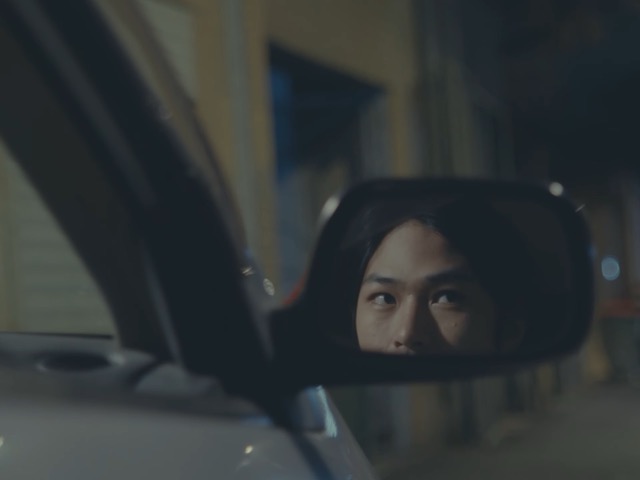
 DRIFTERSWriter / Director · 2024







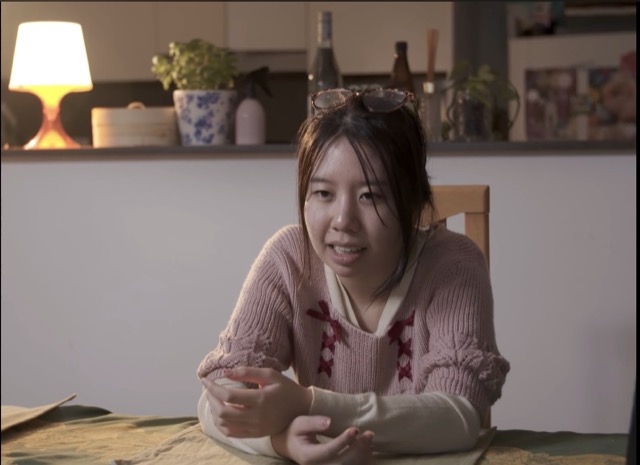
 I GUESS I'LL ALWAYS HAVE YOUDirector · 2025




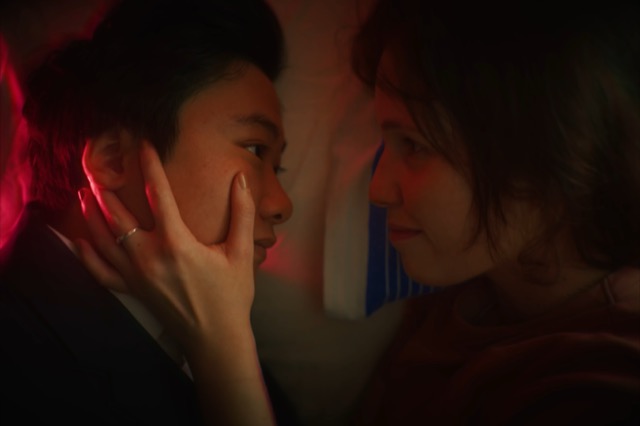
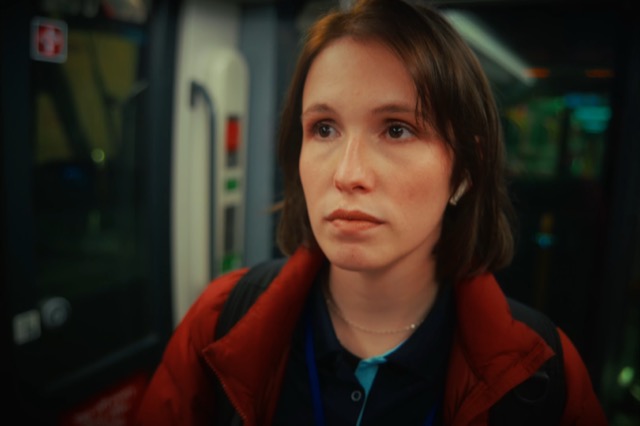

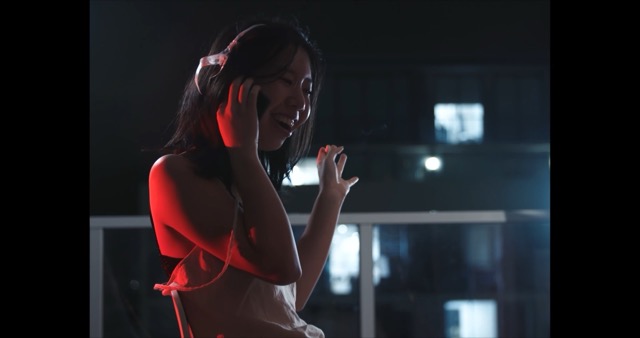
 FLESH AND BLOODWriter / Director · 2024




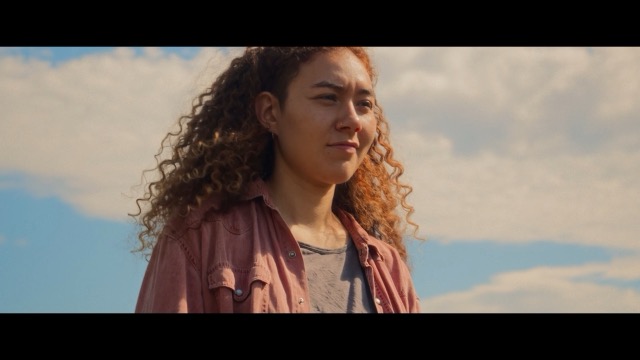


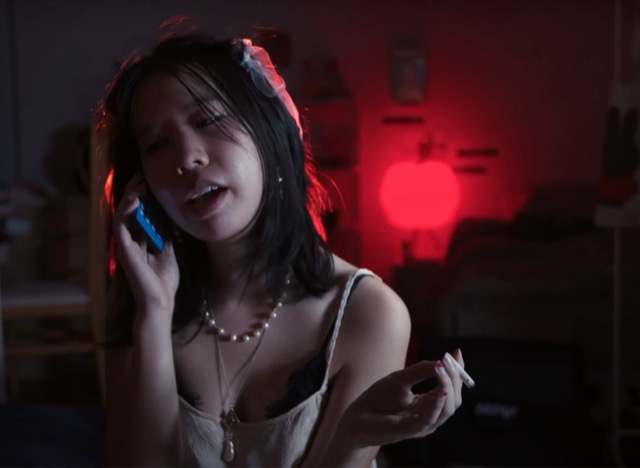
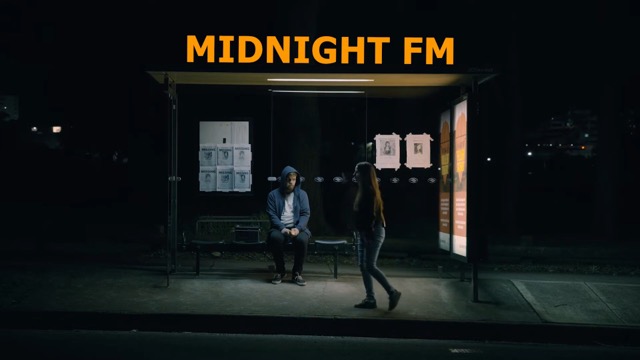 MIDNIGHT FMWriter / Director · 2022